Hue cuisine is famous for its sophistication and delicacy, but the most outstanding is... Hue Royal Treasures. This is not just symbol of wealth and nobility, but also unique culinary cultural heritage of the ancient capital.
In this article, let's find out eight rare dishes used to only appear at royal banquets.
What is Hue Royal Court's Eight Treasures?
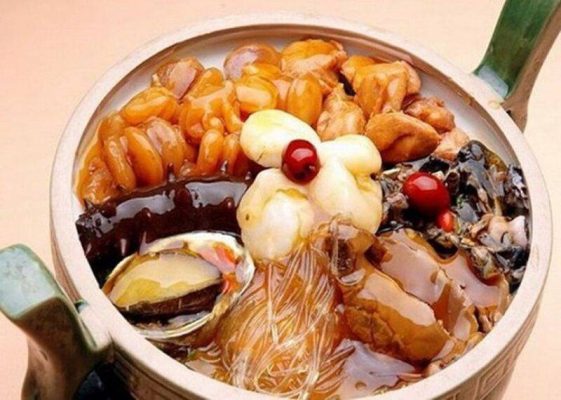
“Bat Tran” (八珍) in Sino-Vietnamese means “eight precious dishes”. In the context of the Hue royal court, these are eight high-class, rare dishes, only offered to kings on major occasions, banquets to entertain ambassadors or to entertain the royal family. Not only outstanding for its hard-to-find ingredients, the Bat Tran of Hue royal court also demonstrates the pinnacle of culinary skills and the most elaborate preparation process of the Nguyen Dynasty.
List of Eight Treasures of Ancient Hue Royal Court
Under the Nguyen Dynasty, the eight treasures were considered the pinnacle of royal culinary artEach dish is iconic and carefully selected from the rarest products.
Cong Nem
Peacock meat, a bird symbolizing nobility and royal beauty, is processed into nem, usually from the thigh or breast. After preliminary processing, the meat is marinated with special spices, then pounded, wrapped and left to ferment naturally. Nem peacock is not only delicious and unique, but also symbolizes elegance and nobility in banquets.
Phuong Pork Roll
The phoenix is a sacred bird in legend, a symbol of prosperity and royalty. When processed, the best part of the phoenix meat is selected, then ground, seasoned with precious spices such as five-color pepper, cinnamon, cardamom... and then grilled over charcoal to create a fragrant aroma. The phoenix sausage brings a delicious, refreshing taste with a sweet aftertaste.
Elephant Foot Meat
Elephant feet contain a lot of tendons and collagen, and are considered a dish that is both nutritious and represents strength. The exploitation and processing of this dish is extremely elaborate. After being stewed, elephant feet are cooked with medicinal herbs such as Chinese yam, wolfberry, codonopsis... creating a dish that is full of "body-nourishing" properties.
Deer Tendon
Deer was a rare wild animal in feudal times. The tendons of deer are crunchy and can be used to make stews or stews with Chinese herbs. Deer tendons are a symbol of longevity and are used in birthday parties for kings and royals.
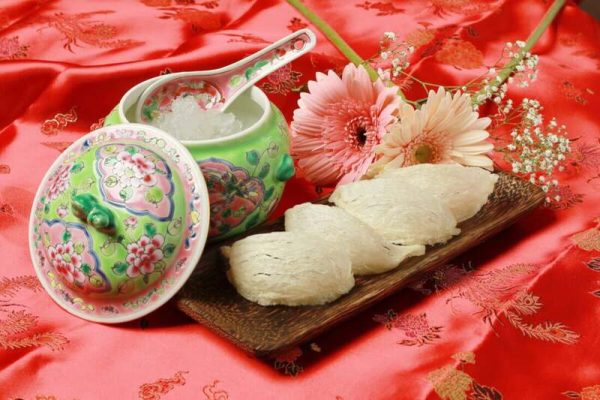
Bird's Nest
Considered the “white gold” of the ocean, bird’s nest is a high-class product, rich in protein and has high nutritional value. In the Hue royal court, bird’s nest is often steamed with rock sugar, or cooked into soup, porridge… This is an indispensable dish in the health care menu for the king and queen.
Abalone
Abalone is a rare mollusk that lives in the deep sea. Its meat is fragrant and sweet, and can be prepared in many ways: steamed with ginger, grilled with scallion oil, stewed with Chinese herbs, etc. In royal banquets, abalone is considered a "golden dish" for high-ranking officials or distant envoys.
Shark Fin
Shark fin is a special ingredient, rich in collagen, often used in nutritious soups or stews. The appearance of shark fin on the tray shows the utmost respect for the guests. Shark fin has symbolic value of wealth and prosperity.
Bear Paw
The rarest dish in the Hue royal palace is bear paw. With its interwoven texture of meat and tendons, bear paw must be simmered for many hours to be soft and fragrant. In feudal times, hunting bears to prepare bear paw not only required skill but also demonstrated the strength and bravery of the people in the mountainous regions, something that the king highly valued.
The Meaning and Cultural Value of the Eight Treasures
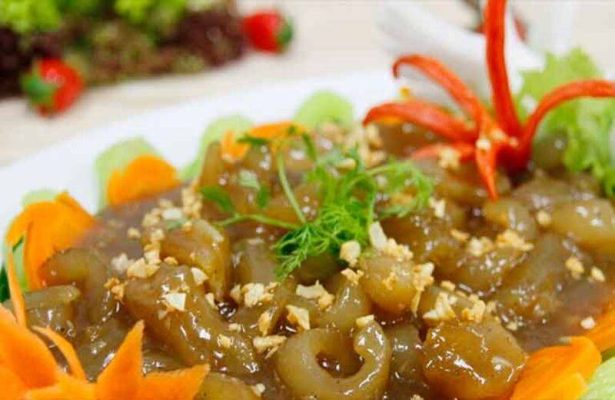
Hue royal delicacies are not just a dish, they are a symbol of the power, sophistication and cultural level of the Nguyen Dynasty. Each dish bears a strong historical mark, reflecting the level of exploitation of natural resources and the top skills of royal chefs.
Not only serving the taste buds, the eight treasures also represent the aesthetic concept, rules and strict rituals of royal banquets. This is an inseparable part of Hue's intangible cultural heritage.
Eight Treasures in Modern Hue Cuisine
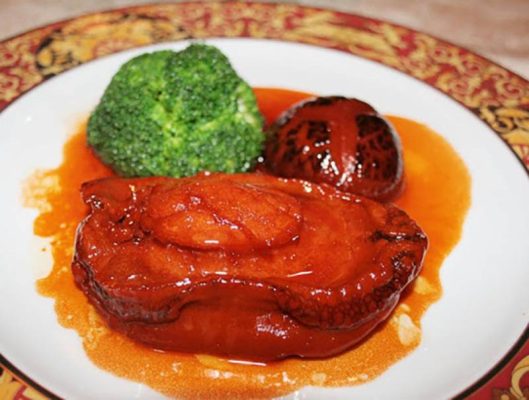
Nowadays, although the original dishes are no longer complete due to their rarity and legal regulations, the spirit of “the eight treasures of Hue royal court” is still preserved in many restaurants and culinary tours in Hue. Some high-end restaurants recreate royal banquets with dishes imitating ancient recipes, using more suitable substitute ingredients but still maintaining the sophistication and sophistication in preparation and presentation.
Visitors to Hue can experience royal cuisine through dishes such as bird's nest soup, abalone salad, imitation shark fin porridge, high-class Hue spring rolls... Combined with ancient space and traditional costumes, this experience takes diners back to the golden age of the Nguyen Dynasty.
Conclude
Hue's royal eight treasures are a living testament to the pinnacle of traditional Vietnamese culinary art. Although they no longer appear in their original form in modern life, the cultural and spiritual values of the eight treasures still exist with the flow of history of the ancient capital. Once visiting Hue, try to experience some of that quintessence to understand more about a culture that was once famous throughout the South.